
How 3D Walkthroughs Help Real Estate Projects Sell Before Construction Begins
In real estate, first impressions matter. Buyers today do not just want floor plans or static images; they want to experience a property before making a decision.
Article Context:
- 3D Walkthroughs
- Real Estate
- Teamworks Insights
In real estate, first impressions matter. Buyers today do not just want to see floor plans, brochures, or static images. They want to understand the space, imagine the lifestyle, and feel confident before they take the next step.
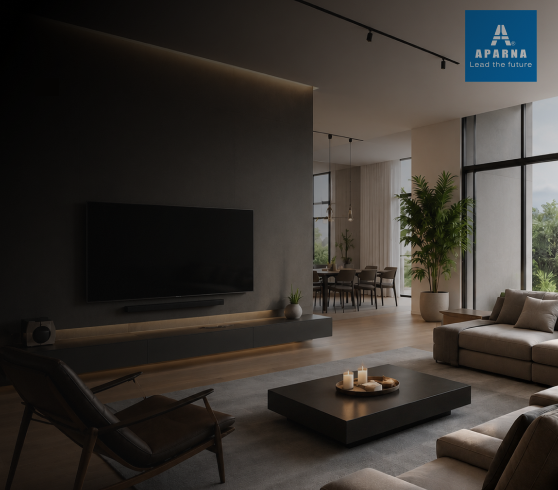
That is where a 3D walkthrough becomes a powerful sales and communication tool. It turns an unbuilt project into a clear visual experience, helping buyers see the architecture, interiors, amenities, landscaping, and overall flow before construction is complete.
For developers, architects, and real estate brands, this is more than a presentation asset. A walkthrough helps explain scale, material finish, room movement, natural light, entry points, and spatial planning in a way that static renders cannot always achieve.
A strong walkthrough also supports faster conversations with buyers. Instead of asking people to imagine the final result, the sales team can guide them through a realistic visual journey that answers doubts early and builds trust in the project.
The same asset can work across multiple touchpoints. It can be used in launch presentations, sales galleries, exhibitions, social campaigns, website landing pages, investor decks, and digital ads. This gives the project a consistent story across every channel.
At Teamworks, we approach 3D walkthroughs as visual storytelling. The goal is not only to show walls, rooms, and layouts. The goal is to make the project feel desirable, believable, and easy to understand for the people who will invest in it.
Every project needs a clear creative direction before production begins. The process usually starts with studying the target audience, project positioning, floor plans, references, amenities, and the most important selling points. This helps define what the walkthrough should highlight.
Once the direction is clear, the production moves through modelling, texturing, lighting, camera movement, animation, editing, and final delivery. Each stage adds clarity and emotion, helping the space feel complete even before the physical site is ready.
For residential projects, walkthroughs can show how homes feel in everyday use. For commercial spaces, they can explain circulation, frontage, visibility, and customer experience. For masterplans, they can reveal the larger vision of roads, landscapes, towers, amenities, and community zones.
A well-made walkthrough can also reduce confusion. Buyers often struggle to read technical drawings or understand raw construction spaces. A cinematic visual journey simplifies the message and helps people focus on value instead of trying to decode plans.
This is why 3D walkthroughs are especially useful during pre-launch and under-construction sales. They give marketing teams a premium visual asset, give sales teams a stronger explanation tool, and give buyers a more complete sense of what they are considering.
The best results come when the walkthrough is planned as part of the overall brand and marketing strategy. When visuals, messaging, music, pacing, and project positioning work together, the walkthrough becomes more than a video. It becomes a persuasive experience.
For real estate brands, the advantage is simple: when people can clearly see the future, they are more likely to believe in it. A 3D walkthrough makes that future visible, memorable, and easier to sell.